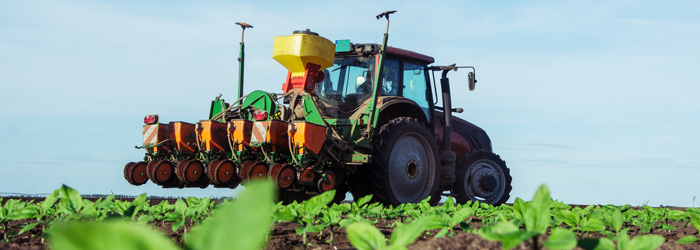
In agriculture, the timing gap between expenses and revenue is one of the biggest challenges. Seed, fertilizer, fuel, and labor costs all hit early, while income depends on what happens months down the road. This is exactly where ag lending plays a critical role.
At Banterra Bank, we work with farmers who face these cycles every year. This guide breaks down what matters most before planting season so you can move forward with clarity, not guesswork.
Understanding The Role Of Ag Lending In Your Operation
Farming is both seasonal and capital-intensive. Even strong operations rely on financing to stay efficient and competitive.
Ag lending helps bridge the gap between:
- Upfront input costs
- Income that arrives after harvest
Farm operating loans often cover:
- Seed and fertilizer
- Crop protection and supplies
- Feed, fuel, and labor
Why this is important:
- Cash flow timing determines stability
- Profitable farms still need liquidity
- Early planning prevents rushed decisions
The earlier you begin planning, the more financing options remain available.
Types Of Agricultural Loans Every Farmer Should Know
1. Operating Loans
The most common tool before planting season.
- Covers seed, fertilizer, chemicals, labor, and fuel
- Structured as short-term loans or revolving lines of credit
- Repaid after harvest
These loans align directly with your production cycle.
2. Equipment Loans
Used for tractors, combines, irrigation systems, and upgrades.
- Typically structured over five to seven years
- Helps spread cost across useful life
3. Farm Real Estate Loans
Used for land purchases or expansion.
- Long-term financing, often 20 to 30 years
- Built for generational investment
4. Livestock Loans
Supports livestock purchase and care.
- Covers feed, veterinary costs, and infrastructure
- Structured around production timelines
5. Agricultural Lines Of Credit
Flexible funding for changing needs.
- Borrow only what you need
- Ideal for unpredictable seasonal expenses
- Helps match borrowing to real-time costs
Explore Different Ag Loans At Banterra
What Lenders Look For Before Approving An Ag Loan
Before approval, lenders focus on a few core factors:
- Cash flow: Can the operation repay after harvest
- Farm plan: Clear expectations for production and revenue
- Collateral: Land, equipment, or livestock
- Credit history: Past repayment behavior
- Experience: Track record in the operation
What To Prepare Before Meeting A Lender
- Recent financial statements
- Tax returns
- Production history
- Expense projections
Clear organization speeds up the process and improves your options.
How To Prepare Financially Before Planting Season
This is where strong operations separate themselves.
Pre-Planting Financial Checklist
- Review last year’s performance
- Estimate input costs, including fuel and fertilizer
- Build or update your cash flow projection
- Identify funding gaps early
- Meet with your lender before demand increases
Farmers often say the same thing after a tough season: “I wish I had started the conversation earlier.”
Planning ahead gives you flexibility when conditions shift, whether that means weather, pricing, or supply changes.
Common Mistakes Farmers Make With Ag Financing
Even experienced operations run into avoidable issues.
- Waiting too long to secure financing
- Underestimating input costs
- Mixing personal and farm finances
- Choosing a loan that does not match the need
- Ignoring market or pricing volatility
The key principle:
Match the loan structure to the purpose and repayment timeline.
Why Working With A Local Ag Lender Matters
Not all lenders understand agriculture at a local level.
Working with a community bank like Banterra means:
- Local decision-making
- Faster responses during critical seasons
- Knowledge of regional crops, land values, and weather patterns
- Relationship-based support, not one-time transactions
Banterra also offers on‑site support when needed, meeting with farmers at their operation to assist with financial statements or close operating loans, an added level of service not commonly offered by larger lenders.
You are not just applying for financing. You are building a partnership that supports your operation year after year.
Simple Steps To Get Started
A short conversation now can prevent bigger challenges later.
- Review your current financials
- Define your financing needs
- Gather required documentation
- Schedule a conversation with a Banterra ag lender
Schedule A Conversation With A Banterra Ag Lender
Frequently Asked Questions About Ag Lending
What Is An Agricultural Operating Loan?
An agricultural operating loan is a short-term loan that covers seasonal expenses such as seed, fertilizer, fuel, and labor. Repayment typically occurs after harvest.
When Should Farmers Apply For Ag Loans Before Planting Season?
Farmers should begin the process several months before planting season. Early planning allows time for approval, adjustments, and funding.
What Is The Difference Between An Operating Loan And An Equipment Loan?
Operating loans cover short-term seasonal expenses. Equipment loans finance machinery over multiple years.
Do Farmers Need Collateral For Ag Loans?
Most agricultural loans require collateral such as land, equipment, or livestock, depending on the loan structure.
Why Is Cash Flow Important In Ag Lending?
Farm income arrives seasonally. Lenders evaluate whether the operation can repay after crops or livestock are sold.
Let’s Talk Through Your Season
Every operation looks different. Your financing should reflect that reality.
If you are preparing for planting season, Banterra is ready to help you think through your options and plan with confidence.
March 31, 2026 by Banterra Bank
By clicking the links above, you are now leaving Banterra Bank's website and are going to a website that is not operated by the bank. Banterra Bank is not responsible for the content; availability of linked sites; does not endorse or guarantee the products, information, or recommendations; and is not liable for any failure of products or services provided by the linked website. Please be advised that Banterra Bank does not represent either the third party or you, the customer, if you enter into a transaction. Further, the privacy policy of this site owner may be different than that of the bank and this site may provide less security than the bank's website. We encourage you to read the privacy policies of websites reached through the use of links from the Banterra Bank website.