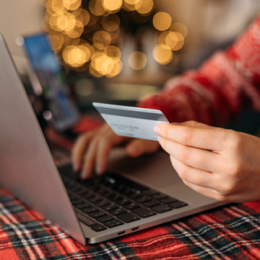

Holiday debt can look like a larger credit card balance, less room in your checking account, delayed savings goals and added stress when January bills arrive. It often starts with good intentions: a few extra gifts, a last-minute trip, more groceries than planned or small seasonal purchases that add up faster than expected.
The holidays are meant to be enjoyed. Spending money on people you care about is not a bad thing. However, without a plan, holiday spending can follow you into the new year and make January feel tighter than it needs to feel.
That is why a simple Christmas spending plan, a realistic gift list and the right account tools can make a big difference before the first purchase is made.
What Holiday Debt Looks Like In January
What is holiday debt exactly? Holiday debt is money borrowed or charged during the holiday season that is not paid off when regular January expenses arrive. It may include gifts, travel, food, decorations, events, charitable giving, shipping costs or other seasonal purchases.
In January, holiday debt may show up as:
- Higher credit card balances
- Less money available for rent, mortgage payments, utilities, groceries or fuel
- Delayed savings goals
- Interest charges if balances are carried over time
- More stress around everyday expenses
- A slower start toward new year financial goals
Holiday debt does not always happen because of one large purchase. Many times, it comes from dozens of smaller expenses that felt manageable in the moment.
Why Holiday Spending Can Add Up Quickly
Holiday spending can be tricky because it rarely stays in one category. You may plan for gifts, then remember teacher presents, work exchanges, wrapping paper, holiday meals, travel snacks, postage, extra gas, event tickets or matching outfits for family photos.
A few $15 to $25 purchases may not feel like much on their own, but several small orders, extra grocery trips and last-minute shipping fees can quickly turn into a much larger January balance.
A few common reasons holiday overspending happens include:
- Shopping without a full list
- Buying gifts before setting a total spending limit
- Forgetting travel, food, tips, donations and shipping costs
- Using credit cards without a clear payoff plan
- Saying yes to every event, exchange or invitation
- Feeling pressure to match what others spend
- Waiting until the last minute, when prices or shipping costs may be higher
A holiday budget helps you decide what matters most before seasonal pressure starts making those decisions for you.
Warning Signs You May Be Overspending
Warning signs of holiday overspending can include using credit for purchases you cannot pay off soon, avoiding account balances, buying without a list or feeling stressed before the bills arrive.
You may be spending beyond your comfort zone if:
- You are unsure how much you have already spent
- You keep adding "just one more" gift
- You are relying on future income to cover current purchases
- You are using credit because your checking balance is too low
- You are skipping savings transfers to cover holiday costs
- You feel nervous checking your account balance
- You have not planned for January bills yet
- You are spending out of guilt, pressure or comparison
These warning signs are not reasons to feel bad about your spending. They are signals that it may be time to pause, review your numbers and adjust your plan before more spending happens.
How January Debt Can Affect Your Budget
January can feel financially heavy because regular expenses do not pause after the holidays. Bills still arrive. Groceries still need to be purchased, winter utilities may be higher and annual subscriptions or insurance payments may also be due.
When holiday debt carries into January, it can affect your budget in a few practical ways:
- Higher Credit Card Payments: A larger balance can mean a larger monthly payment or a longer payoff timeline.
- Less Flexibility In Your Checking Account: Extra debt payments may leave less room for everyday needs.
- Delayed Savings Goals: Money that could go toward emergency savings, a vacation fund or a down payment may need to cover past purchases instead.
- Added Interest Costs: If a balance is not paid in full, interest may make those holiday purchases cost more over time.
- More Stress Around Money: Debt can make it harder to feel organized and confident at the start of the year.
If you use a credit card during the holidays, consider setting a payoff goal before you spend so the balance does not become a long-term burden.
How To Plan Holiday Spending Before It Starts
You can avoid holiday debt by setting a total spending limit, making a detailed gift list, planning for extras, tracking purchases and using savings before credit when possible.
A holiday spending plan does not need to be complicated. Start with the amount you can comfortably spend without disrupting regular bills or savings priorities, then divide that number across the categories that matter most.
Holiday Spending Plan Checklist
How do you make a holiday spending plan? Choose one total spending limit, list each expected expense, assign a dollar amount to each category and track purchases throughout the season.
Use this checklist to build a clearer plan:
- Set One Total Spending Limit: Choose a number that fits your current budget, not an ideal version of your budget.
- Make A Gift List: Write down each person, gift idea, and spending limit before shopping begins.
- Include Non-Gift Costs: Add food, travel, decorations, charitable giving, shipping, tips, events and school or work exchanges.
- Use Savings When Possible: If you have money set aside for the holidays, start there before relying on credit.
- Track Purchases As You Go: Review your account regularly so you know what has already been spent.
- Plan For Small Costs: Stocking stuffers, wrapping supplies, cards, and convenience purchases can add up quickly.
- Build In A Buffer: Leave some room for unexpected expenses so one surprise does not derail the whole plan.
- Decide How Credit Will Be Used: If you use credit, set a payoff plan before the purchase is made.
Our digital banking tools can help you view account activity, track spending, set alerts and use budgeting tools through Online Banking.
Ways To Celebrate Without Losing Sight Of Financial Goals
A thoughtful budget can help the season feel good in December and still feel manageable in January.
Here are a few ways to balance celebration with financial goals during holidays:
- Suggest a family gift exchange instead of buying for every person.
- Choose a spending cap for friend groups or work exchanges.
- Give experiences, homemade items, or practical gifts when they fit the relationship.
- Plan lower-cost traditions, such as movie nights, baking days, neighborhood light drives or volunteer activities.
- Talk with family early if travel or gift expectations need to change.
- Keep savings goals visible so holiday choices support the bigger picture.
- Give yourself permission to skip purchases that are based on pressure, not meaning.
If you want to save ahead for next year, opening or using a dedicated savings account can help separate holiday money from everyday spending. We offer savings options designed for different goals, including personal savings and automatic savings opportunities.
Open a New Savings Account Today
How Digital Banking Tools Can Help You Track Spending
The easier it is to see your money, the easier it is to adjust before spending gets away from your plan.
With Banterra Digital Banking, you can view account balances, review account activity, transfer funds between Banterra accounts, pay bills, set up automatic transfers and receive account balance alerts by text, email, or push notification.
A few helpful ways to use digital banking during the holidays include:
- Check your balance before shopping trips.
- Turn on account alerts to help monitor spending.
- Review transactions weekly.
- Use budgeting tools to compare planned spending with actual spending.
- Transfer planned holiday money into checking before shopping.
- Schedule bill payments so regular expenses stay on track.
If your current account setup makes it hard to separate everyday spending from holiday purchases, one of our checking account options may help you manage day-to-day transactions with digital banking access, bill pay, mobile check deposit and other account features.
Find a Checking Account That Works for You
Start The New Year With A Clearer Money Plan
A little planning before the holidays can make January feel much more manageable. By setting a realistic spending limit, tracking purchases, planning for extras and using savings when possible, you can enjoy the season without letting holiday debt take over the new year.
If you already know the holidays tend to stretch your budget, start small. Pick one number, make one list, set one alert and open one savings bucket. These simple steps can help you stay closer to your plan and feel more prepared when January arrives.
We are here to help you manage everyday spending, build savings habits and use practical tools that support your financial goals throughout the year.
Start Your Holiday Savings Plan
Frequently Asked Questions About Holiday Budgeting
How Much Should I Spend During The Holidays?
A good holiday spending limit is one that fits your current budget without making it harder to cover regular bills, savings goals, or January expenses. Start with what you can comfortably spend, then build your gift list and seasonal plans around that number.
How Can I Avoid Credit Card Debt During The Holidays?
You can reduce the risk of holiday credit card debt by setting a spending limit, tracking each purchase, using savings when possible and making a payoff plan before using credit. It also helps to include travel, food, shipping, decorations and small extras in your holiday budget.
Should I Use Savings For Holiday Expenses?
Using savings can make sense if you have money set aside specifically for holiday costs. Try to avoid draining emergency savings or money needed for upcoming bills. A separate holiday savings account can make it easier to plan ahead for seasonal spending.
What Should I Do If I Already Have Holiday Debt?
If you already have holiday debt, start by reviewing the total balance, interest rates, minimum payments and due dates. Then look for room in your monthly budget to make consistent payments. If possible, pause extra spending while you work toward reducing the balance.
How Can I Start Saving Earlier Next Year?
You can start saving earlier by estimating your holiday costs, dividing that amount by the number of months until the holidays and setting aside a smaller amount each month. Automatic transfers into a dedicated savings account can help make the habit easier to maintain.
Budgeting Mobile Banking Savings
November 1, 2026 by Banterra Bank
By clicking the links above, you are now leaving Banterra Bank's website and are going to a website that is not operated by the bank. Banterra Bank is not responsible for the content; availability of linked sites; does not endorse or guarantee the products, information, or recommendations; and is not liable for any failure of products or services provided by the linked website. Please be advised that Banterra Bank does not represent either the third party or you, the customer, if you enter into a transaction. Further, the privacy policy of this site owner may be different than that of the bank and this site may provide less security than the bank's website. We encourage you to read the privacy policies of websites reached through the use of links from the Banterra Bank website.